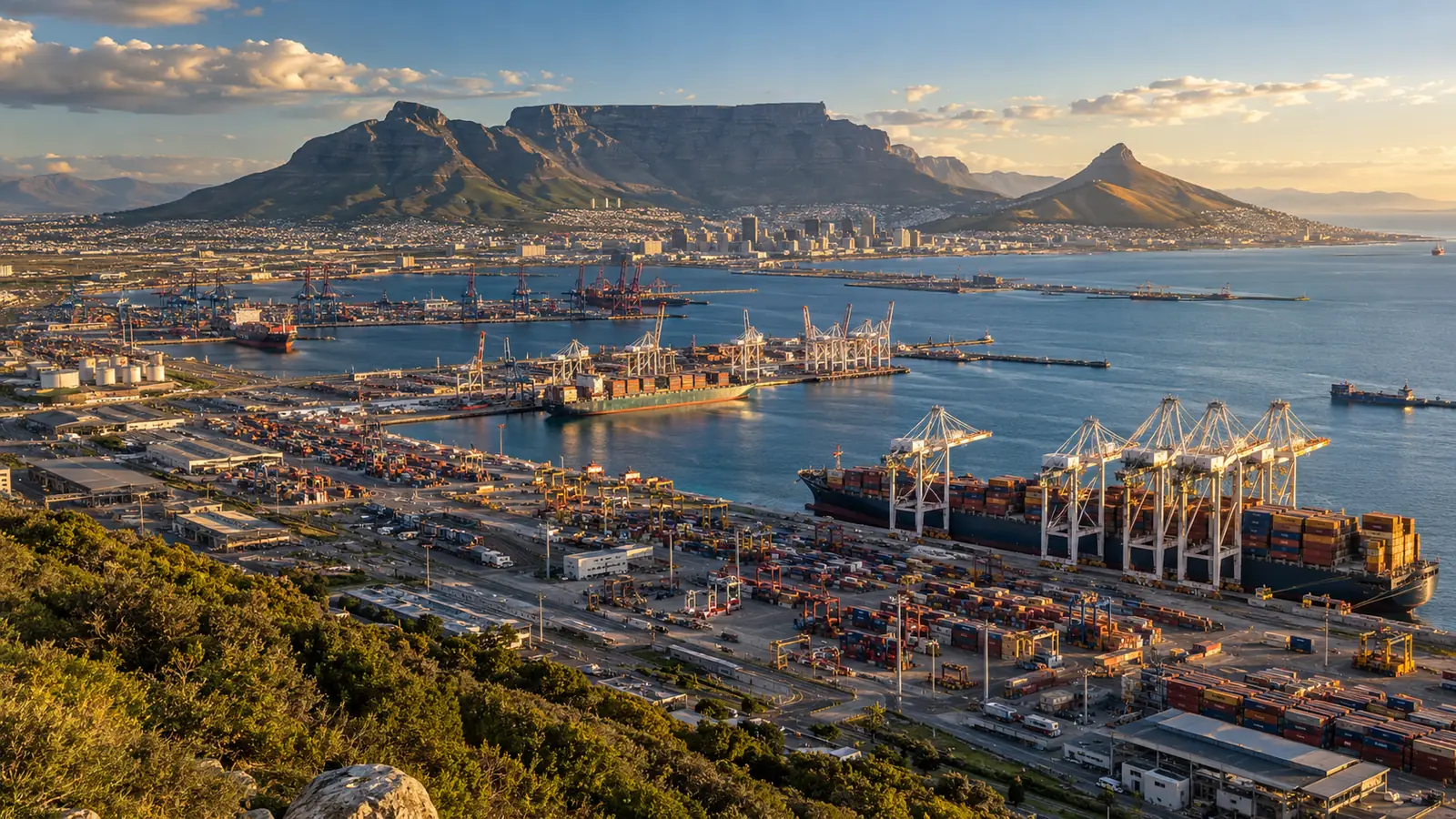
Building International Growth.
I help energy and industrial businesses choose where to grow, establish routes to customers and lead the commercial work needed to build a market presence.
Market-development leadership, defined strategic projects and direct involvement alongside executive teams.
Discuss an opportunityInternational Market ActivationMarket development, stakeholder engagement and commercial execution across Africa, the United States and Europe.
End-to-End Industry CoverageExperience spanning residential, commercial, industrial, utility-scale and service operations.
International Operating ExperienceBusiness diagnostics, operating priorities and cross-functional alignment across international organisations.
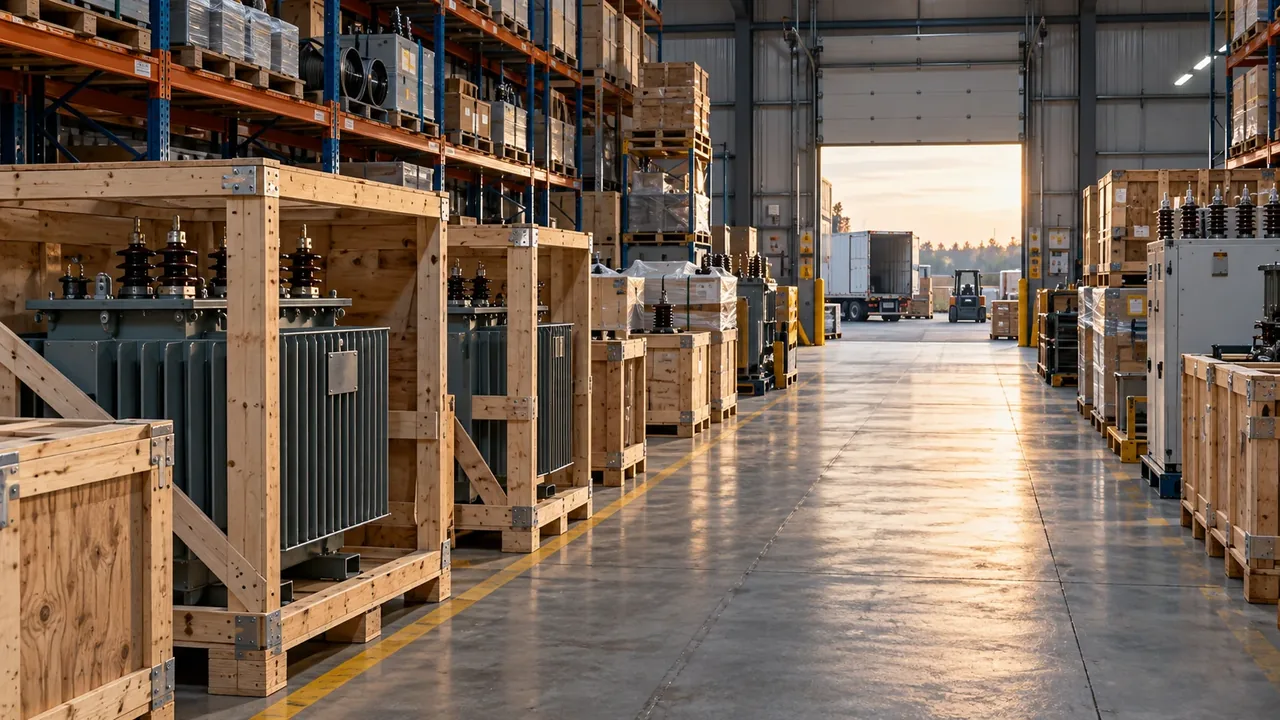
Identify The Opportunity
Assess priority markets, commercial potential and routes to growth.
- Assess market attractiveness and commercial fit.
- Identify priority customers, segments and routes to market.
- Establish where to focus effort and resources.
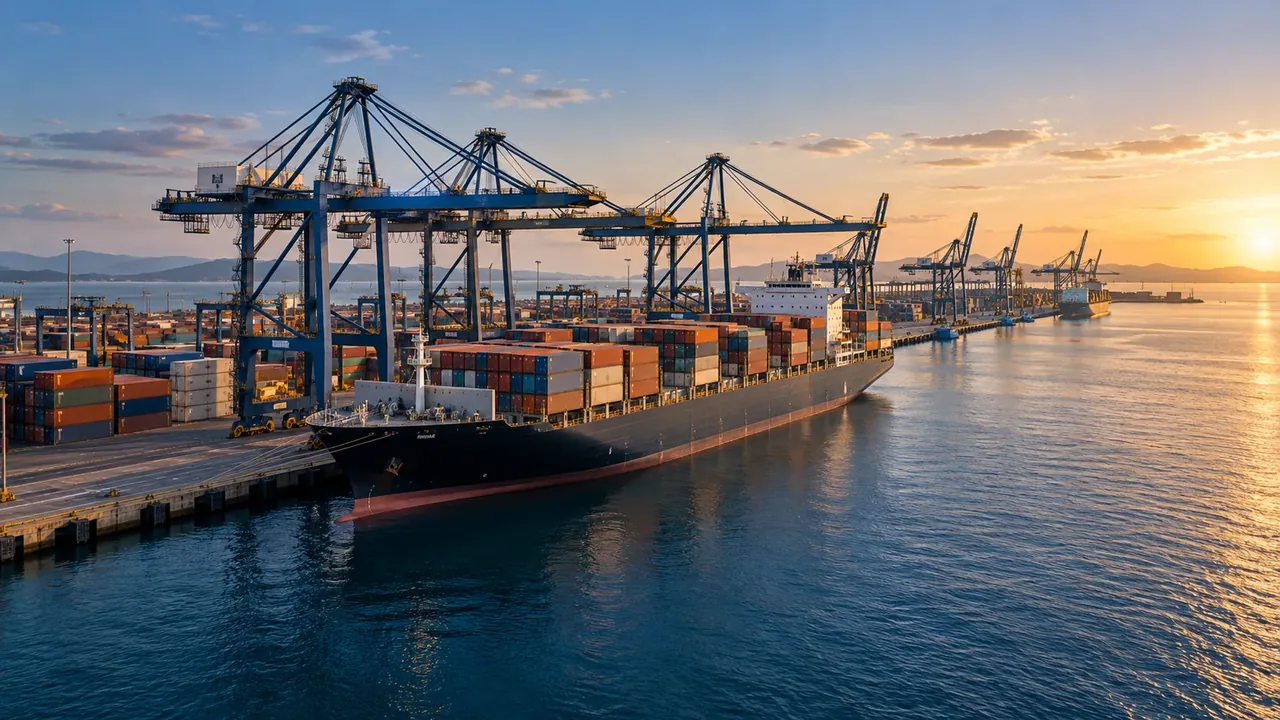
Establish The Route
Develop the partnerships, channels and customer relationships needed to enter and grow.
- Develop suitable partners and channels.
- Build relationships with priority customers.
- Establish how the business will enter and develop the market.

Lead Commercial Execution
Set commercial priorities, align teams and partners, and advance agreed opportunities.
- Lead the agreed commercial work across teams and partners.
- Establish responsibilities and commercial priorities.
- Advance opportunities and resolve obstacles to progress.
Selected experience includes market development, business establishment and country-level commercial and operating responsibility.
Explore my experience